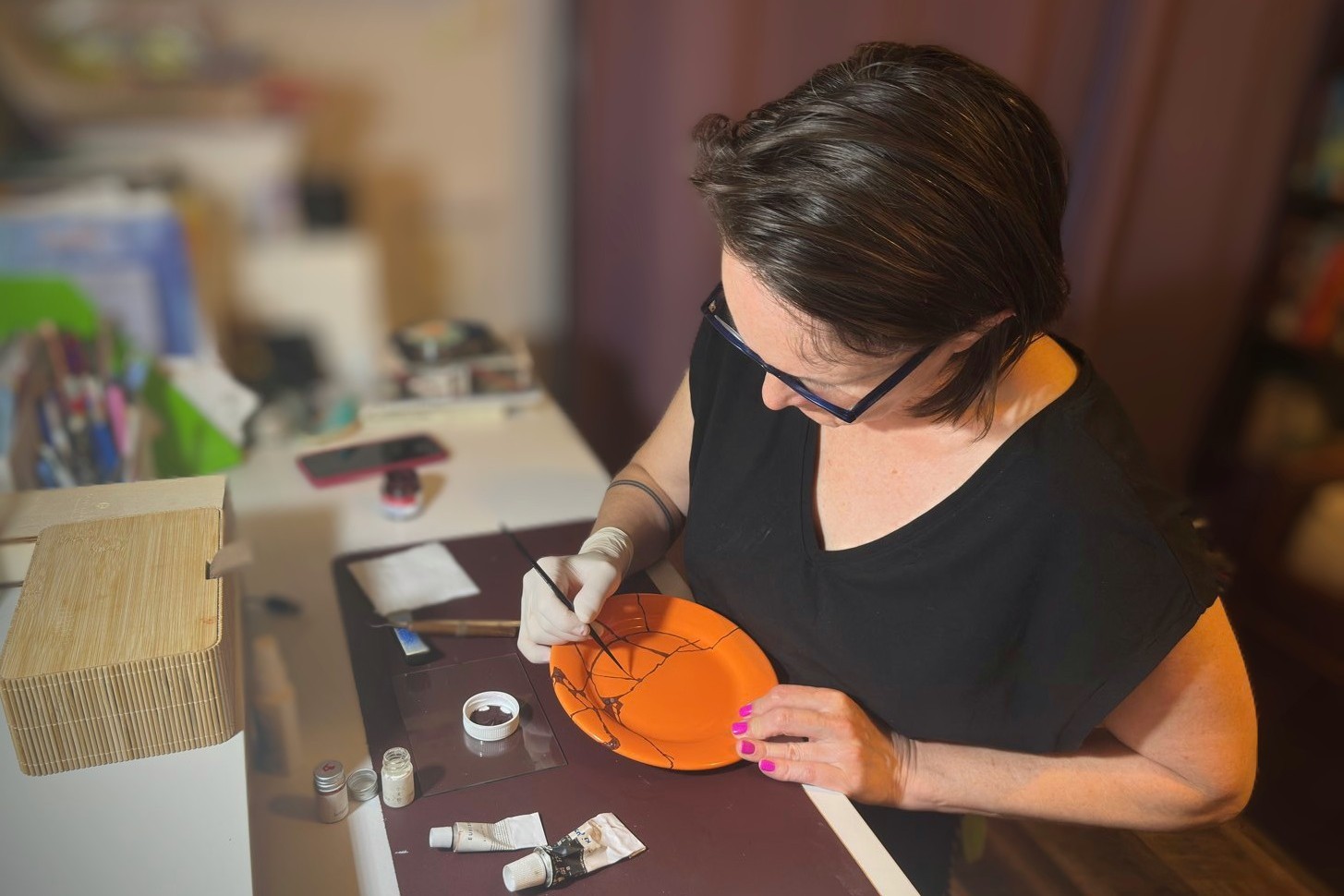


Renáta Karasová works at U. S. Steel Košice as an "IT specialist". And she is most likely the only Slovak woman who can repair broken ceramics using the traditional Japanese kintsugi technique, which is also called gold seam repair, when broken pieces are connected with the help of real gold or silver.
"When it became clear more than 20 years ago that my brother's wandering shoes would take him permanently to Japan, I became interested in this country, its traditions, culture, history, religion. At the same time, I also discovered this art, which I liked very much. I started looking for literature (it doesn't even exist in Slovak and Czech) and watched tutorials on YouTube. I also work with clay, I make ceramics, so I broke all my "failures" and learned the kintsugi technique on them," says Renáta.
Plates and glasses from supermarkets are better not!
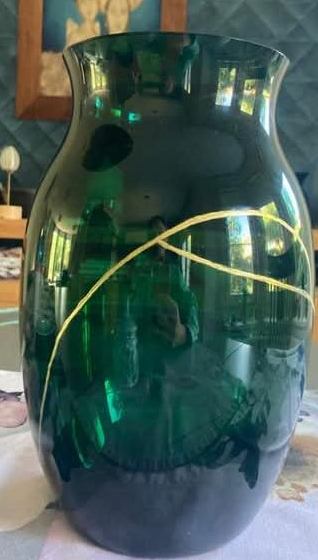
"That's the beautiful thing, but also annoying that you have to wait 5-7 days for the polish to harden after each step. A temperature of 25 degrees and 70 percent humidity are ideal. Then it can stand outside. When there are no such conditions, there are special humid boxes, I use a boot box in which I create a controlled environment. I buy gold powder ready-made. The first things were sent to me by my brother from Japan, but I have already found a supplier in Europe. A gram of gold costs around 100 euros, so it's an expensive affair. Not to mention the hours of work."
So having a broken glass or a plate bought in a supermarket connected with gold powder is probably not a good idea....
"Probably not . But I've also repaired those. There is also a cheaper version using mica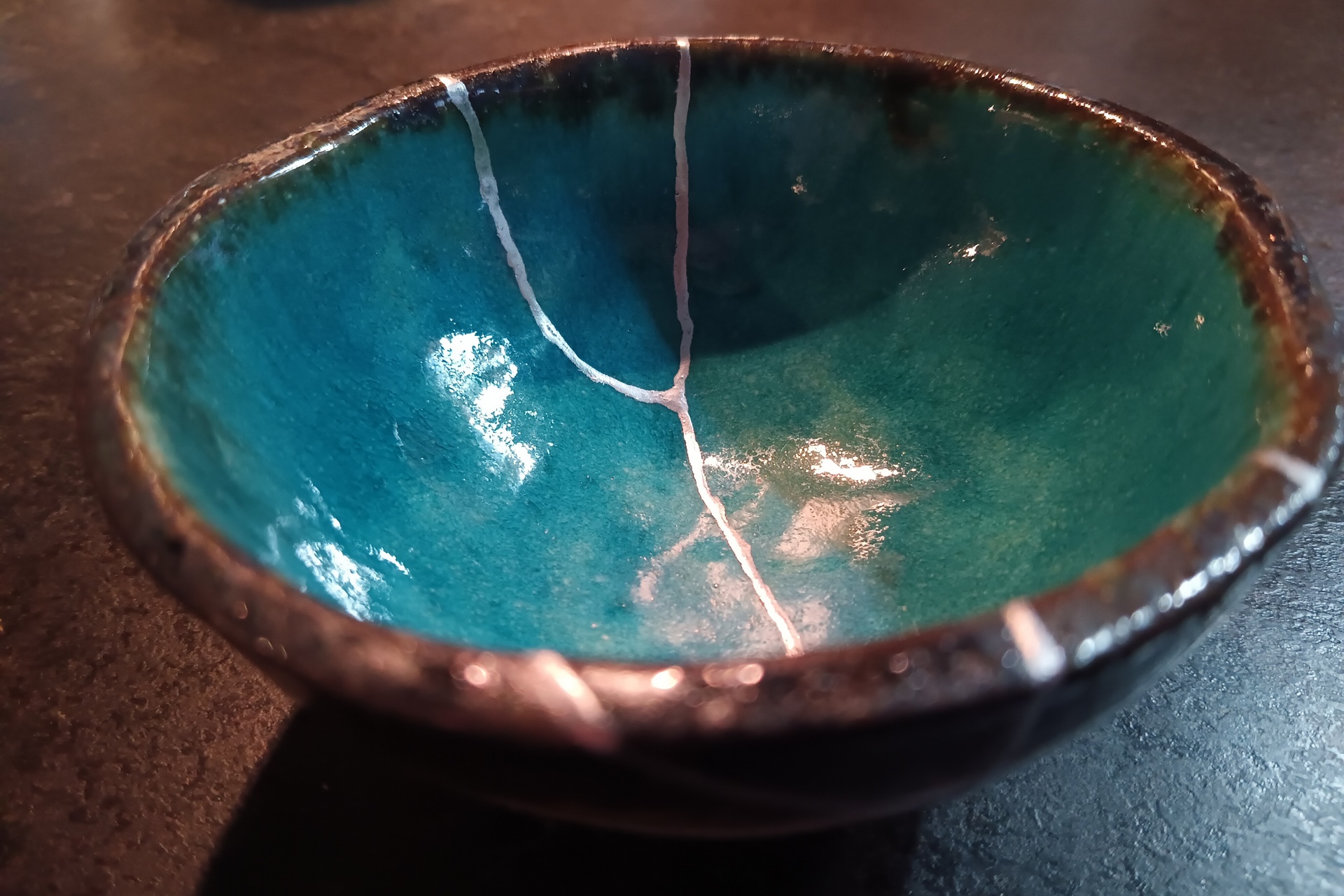
A new life for a 120-year-old pot
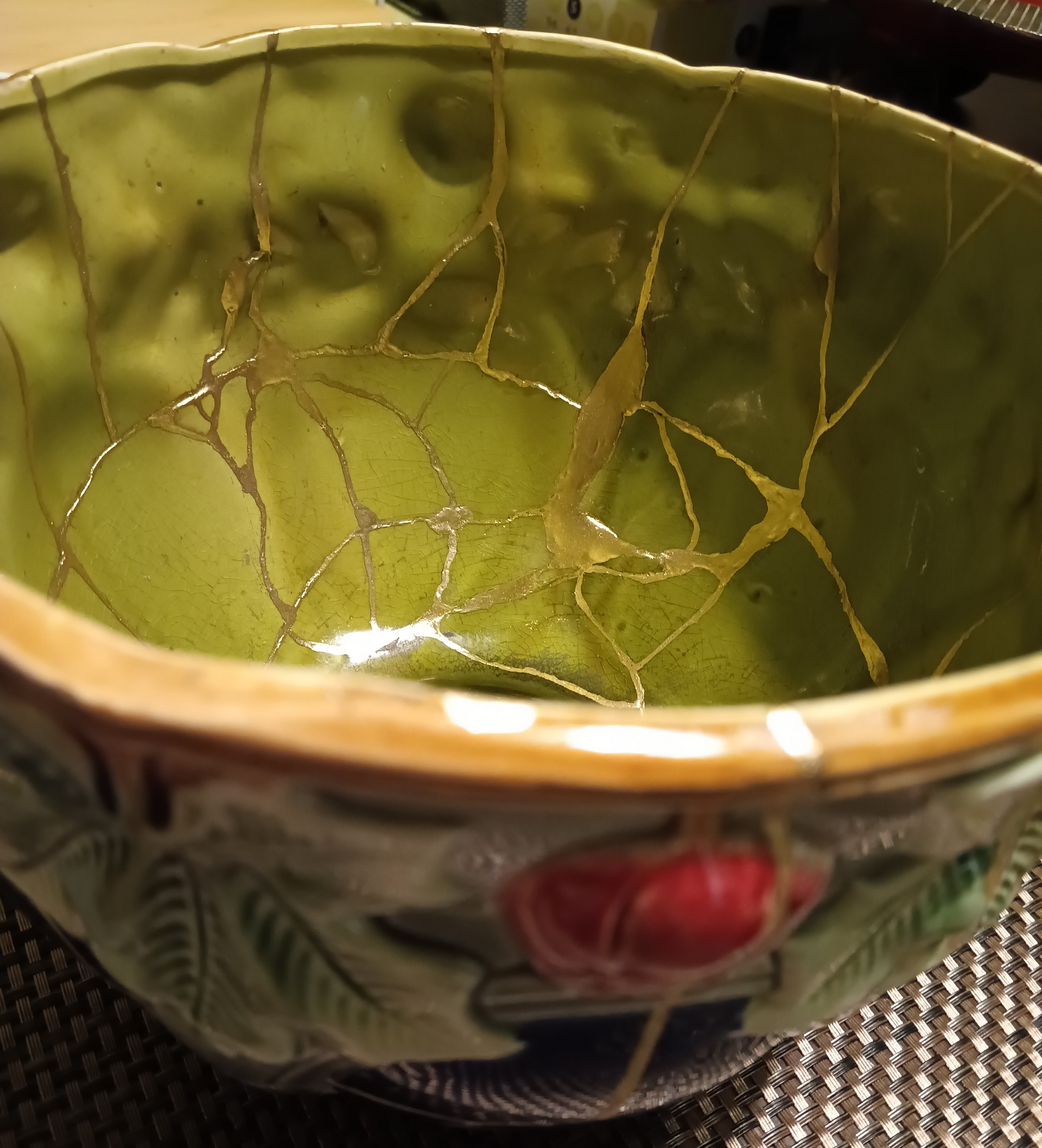
"The oldest thing I repaired was a 120-year-old pot, which the young lady broke 12 years ago and began to glue the shards together with her mother, and in a third they found out that it was crooked, so they put the shards away. She found me on social media. It was very difficult to remove the 12-year-old glue. I had to boil the whole thing first, this is the only way to dissolve the old glue. But the customer was very happy.
Beauty is in the eye of the beholder
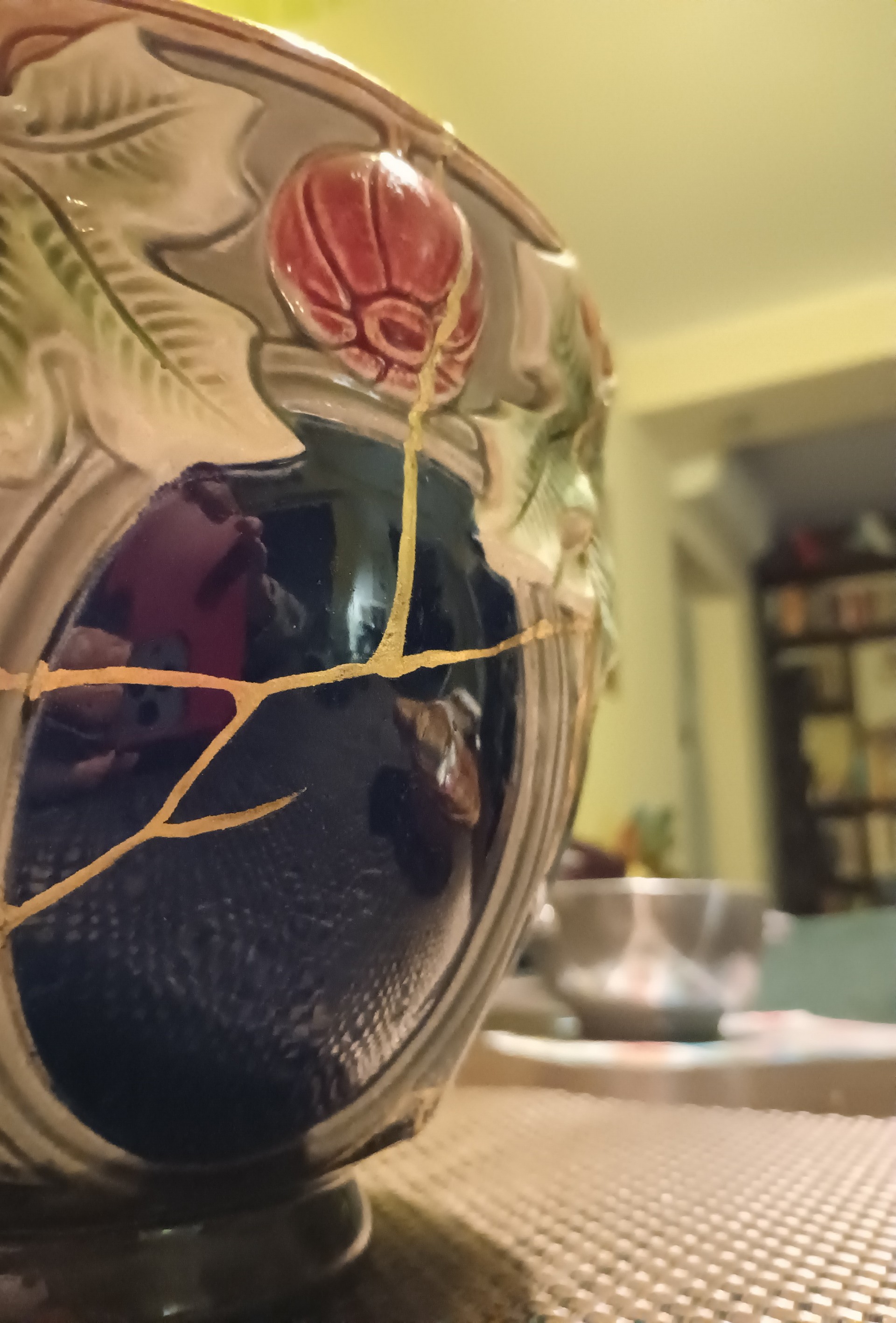
"It's not an easy job, it's also dirty, you have to put a lot of putty, sand, varnish causes allergies. However, everything has its charm. During this work, my breath and pulse slow down and I learn patience in this way. I like the Japanese wabi-sabi philosophy about the beauty of imperfection. Today, everyone wants to have everything refined and clean. But beauty is always in the eye of the beholder, we all have different tastes. For the Japanese, a bouquet of dried flowers in a vase is also beautiful. Psychology also uses this term. We should not hide our scars. We should wear them proudly, because it is only thanks to them that we are who we are."
Your brother lives in Tokyo, his wife is Japanese, you mentioned that his son doesn't speak Slovak. Do you learn Japanese?
"I found a language school 20 years ago when I returned from a visit to Japan. A Japanese woman who is married to a Slovak and lives near Košice taught there. She also taught me writing. The Japanese combine three alphabets: hiragana and katakana are simple, each has exactly 46 characters, that's possible. My energy for learning this language almost ended with the third one – at the kanji characters – that's the „spilled tea“ or „houses“ . A Japanese student at the graduation level must know about 2,000 of these characters. I returned to studying Japanese about a year and a half ago. I can handle small conversations about the weather, who I am, where I work, what kind of friends I have... Even though I watch movies from time to time, it's a fast language. When you listen to the melody, it's ra-ta-ta-ta. So I just catch words from time to time."
Hooray, let's glue!
In Japan, the craft or art of gold powder repair is still very popular. There are masters who devote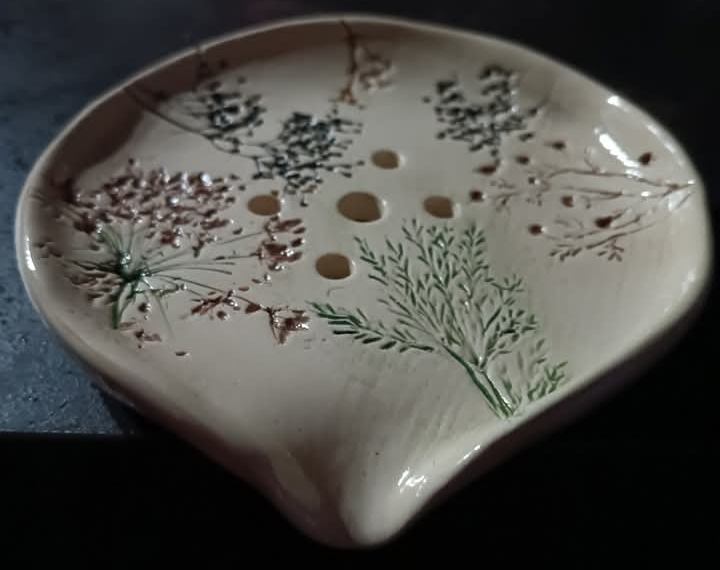
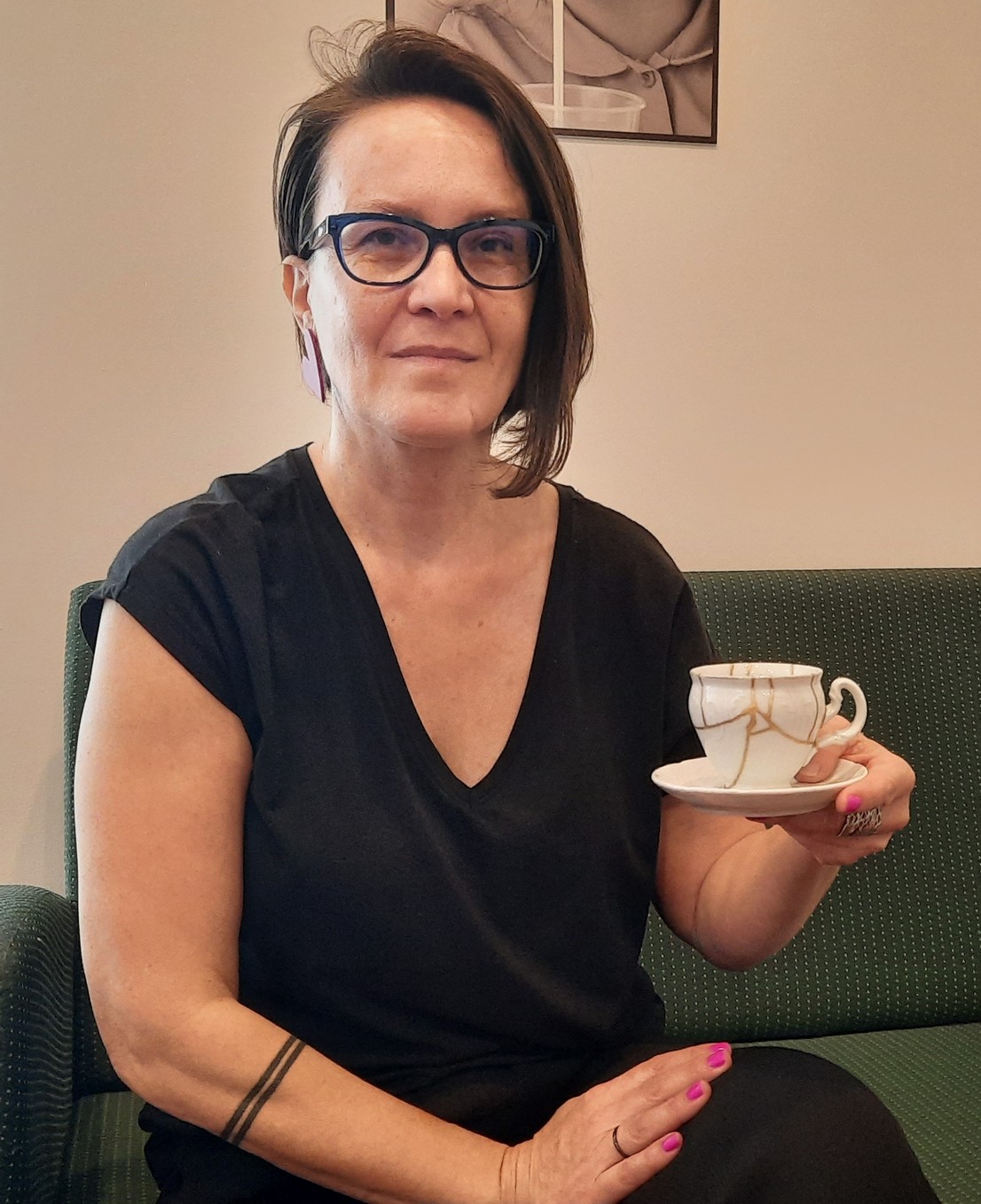
"There are not many of them. I have one vase, a bowl, a saucer and a cup. I'm not counting the first ones. But last time, when I came home from work, my husband showed me a plate with frightened eyes, which he managed to break and was unhappy about it. My eyes lit up with joy that hooray, great, we're going to glue!"
It is said that in the 15th century, a Japanese shogun broke his favorite ceramic tea bowl. It was made in China, so he sent it back to China to have the bowl repaired. The Chinese repaired broken pottery by connecting individual pieces with the help of rivets. The shogun did not like this, so he commissioned his masters to come up with something else. And so a method of repairing broken ceramics using the kintsugi technique was created, which is also called gold seam repair, when broken pieces are joined together with the help of real gold or silver. This tradition is still alive in Japan. It is also connected to the Japanese philosophy of wabi-sabi, which talks about the beauty of imperfection.