

Imagine packing when you go on vacation by car. You're thinking about what to store in your suitcase, what you won't need on the way, what might come in handy, on the contrary, what you need to have "at hand"... Sometimes it's quite a science and it takes a good moment of thinking and planning.
And now imagine that every day, every single day, you have to ship 12,000 tons of products made in U. S. Steel. On the train? Into a truck? Where is the train stopped? (we have 20 tracks in the ironworks). To which carriage? What kind of customer does the material go to? To which country? Where are all those products? Of course, they don't have to be in one place, especially if the customer orders several types...
This is exactly what Gabriel Pálfi, who works as a coordinator of expedition activities at DZ Expedicia, is in charge of. We are happy to introduce Gabriel to you as another of our colleagues in a series of articles about people who have professions that you will not find anywhere else in Slovakia. Gabriel is in charge of the dispatch of the compete rolled material, i.e. hot and cold sheets, coils and tapes. We have already mentioned tne daily "dose", which is approximately 12,000 tons. If we multiply it by the number of days in a year, average, we get a respectable number of 3.5 million tons. Half of them are shipped from us by trains and half by trucks.
Workbook period
How did he get this job? "I started 23 years ago on an expedition in DZ Expedition of the Hot Rolling Mill as a foreman for loading sheet metal. I went through the whole hot rolling mill, it is our most complicated operation in terms of expedition. So I got an excellent overview. While still working on the hot rolling mill expedition, I sometimes "stood in" for colleagues who dropped out. Although it was not easy at all. It is as if a person was thrown into the water and not asked if he could swim. Three years ago, I moved to my current position as a coordinator of expedition activities within DZ Expedition."
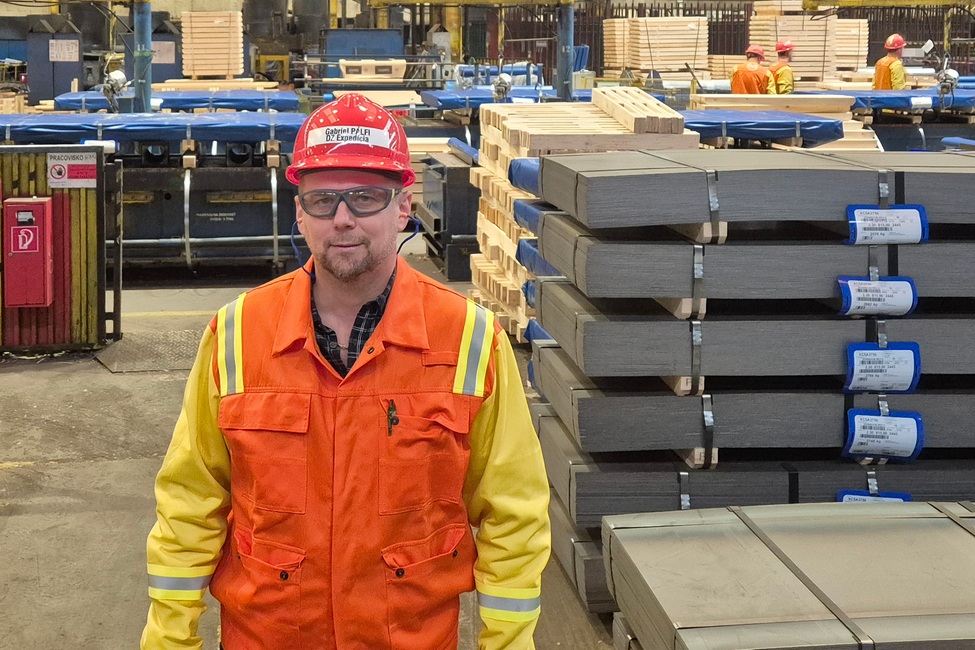
He remembers his beginnings in this post as a period of notebooks. He received a lot of advice from a more experienced colleague on how to deal with various situations, which he wrote down and then returned to many times.
The main part of this work is to plan loading on railway wagons and loading "windows" on trucks. There are 20 tracks in USSK, from the former Hydrostav, through the entire cold rolling mill, hot rolling mill to the refinery They manage almost 2/3 of the ironworks: "I plan to load on wagons – every day we move warehouse dispatch sets of material that is produced, we have dates for complete trains, each train has its own time when it has to be finished with us, then it has to be processed by transport, to put the wagons together and the train must be handed over in Haniska. Each train has its own train-forming route, so it must be loaded on time. Since we have a lot of trains and they are on 20 tracks, we have to find the right train with the right material... It's like alchemy sometimes. Just like when you "cook" steel, you need to add all the ingredients, so with us it is "cooked" so that we put together all the material that the customer orders. If the customer orders one train and the material is not only on one track, if he takes different kinds of products ... It is a great alchemy. Railway wagons do not have an inexhaustible capacity, we do not always have enough of the type of wagons we need... When we start loading, we need to know what we will load first, into which wagon and what can possibly wait."
"Mistakes" happen, but very rarely
Cargo payments are not a negligible factor. When the wagons arrive, they are exempt from paying for 48 hours. You pay for every additional hour they stand with us. In the past, the fees for longer parking of wagons on our tracks were up to 250,000 euros per month. Now it is about 12,000 euros.
Will there be any "trouble" during this work, when, for example, the customer receives goods that he did not order? Does this happen often? "But yes. That will happen," says Gabriel Palfi, adding: "Although very rarely now. Each product is marked with an identification label with a barcode and after loading the entire wagon, we scan all products with a reader. If there is a product that does not belong there, we will take it out. However, confusion can also occur in production, which we can no longer influence. If they change the identification plate, we have no way to figure it out."
The work is stressful, the phones are ringing even in the evening or on weekends.... there is always something going on. "That's the most interesting thing about this job. Every day we deal with something different, there are different problems, different challenges, different requirements," says Gabriel.
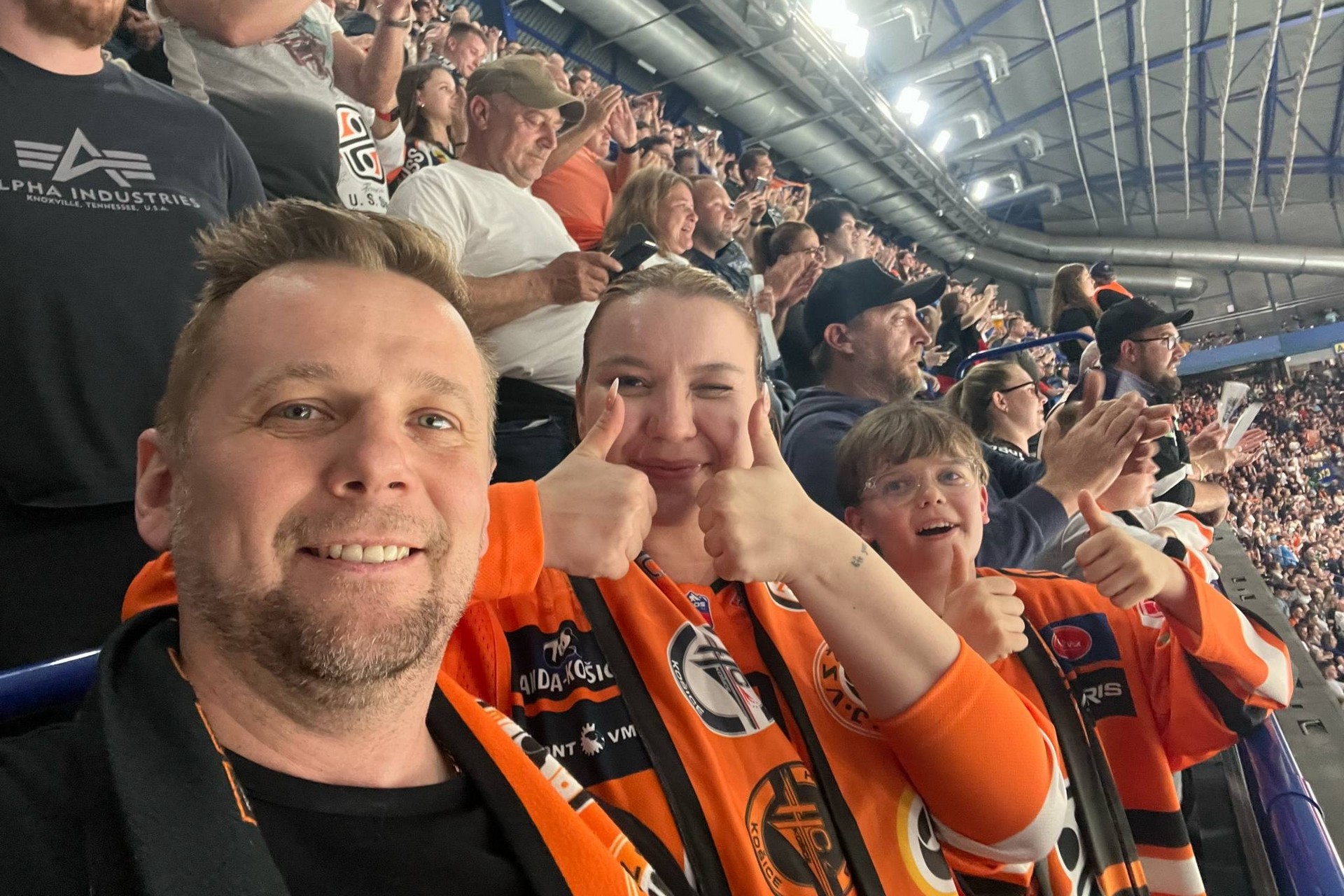
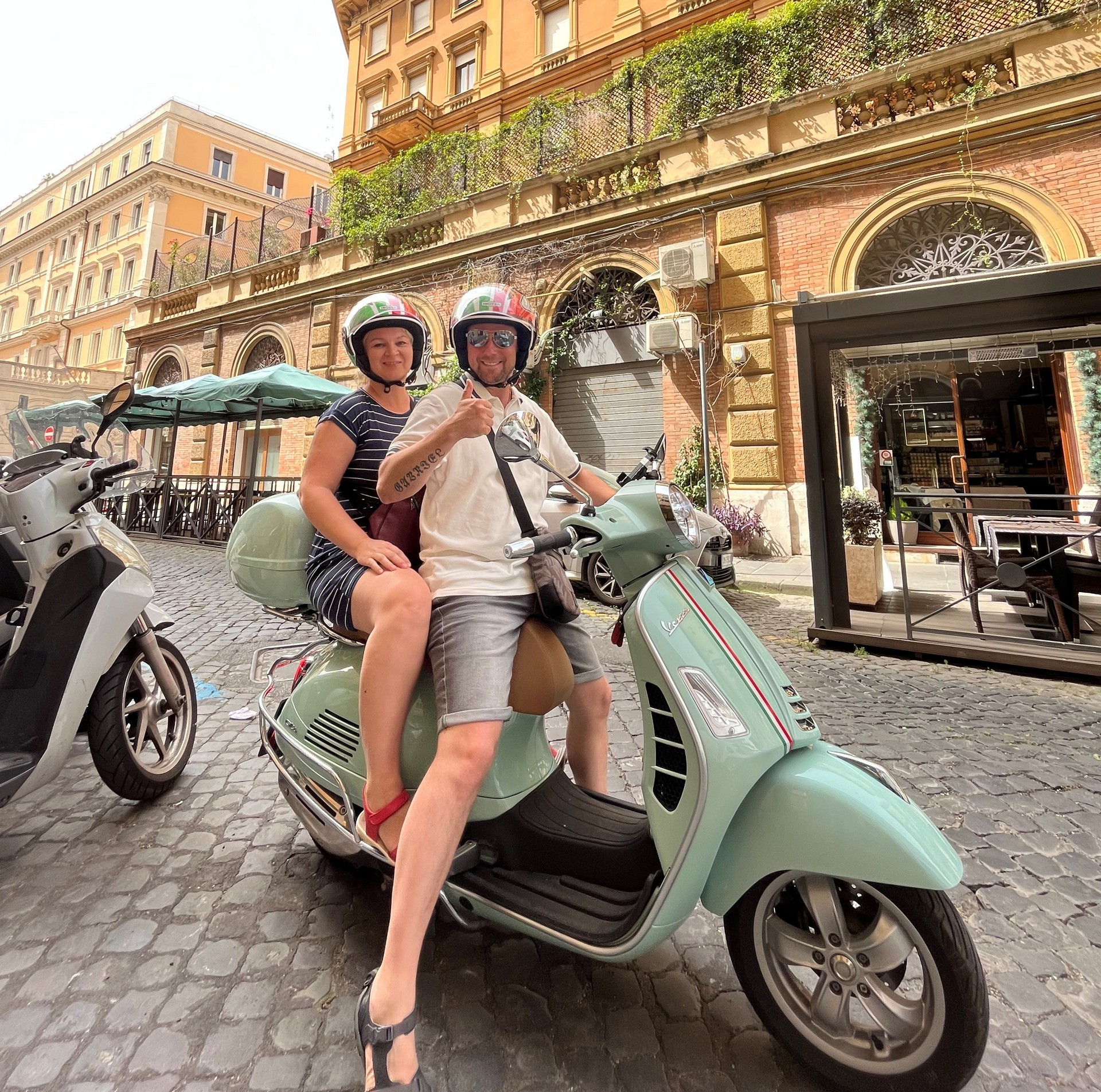
A fan of HC Košice, who was supposed to be born Italian
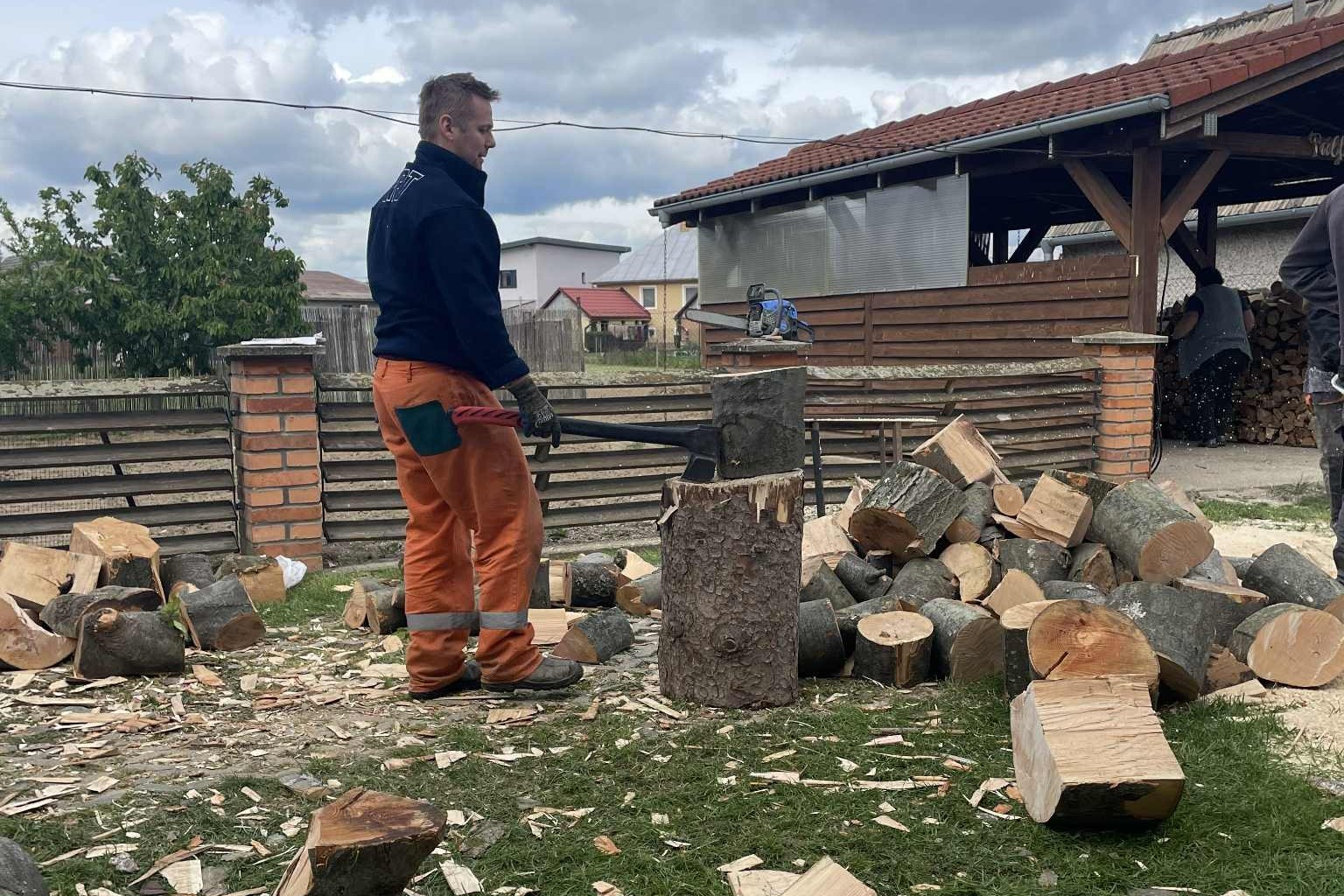
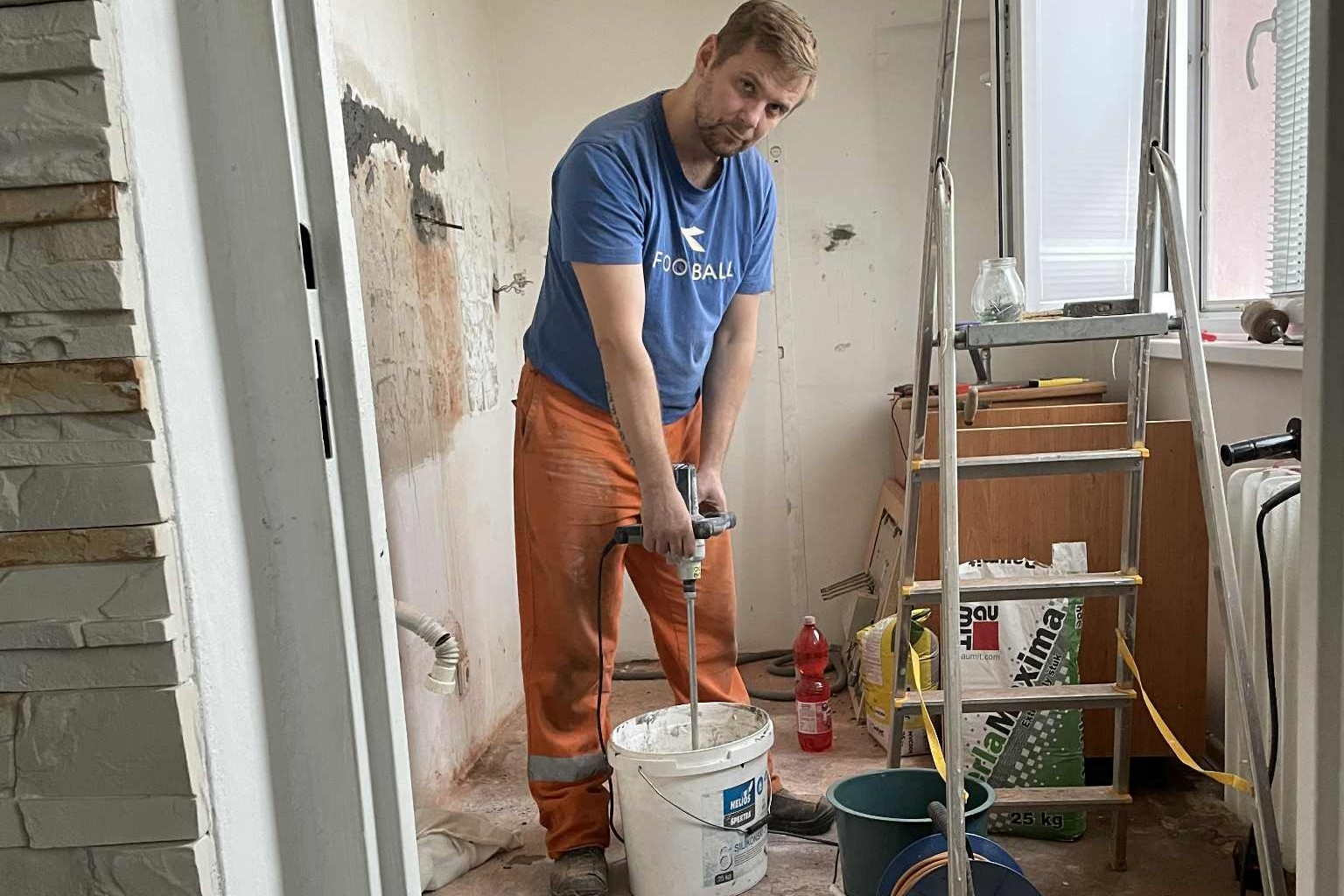
We also wanted to know how he likes to relax, what are his favorite activities during which he can switch off: "I am a big fan of HC Košice. At almost every single HC Košice match, you can see me in the A11 fan zone. I usually go to hockey with my nephew. My partner and I also like to go on bicycle trips. We also enjoyed hiking, when we were scared by bears and wild boars, we were done with it. Since I live in the village, I also like working around the house. I'm a big handyman, for me my hobby is, for example, welding. I also made a lot of gazebos in our village. I like to work with wood and, of course, with iron."
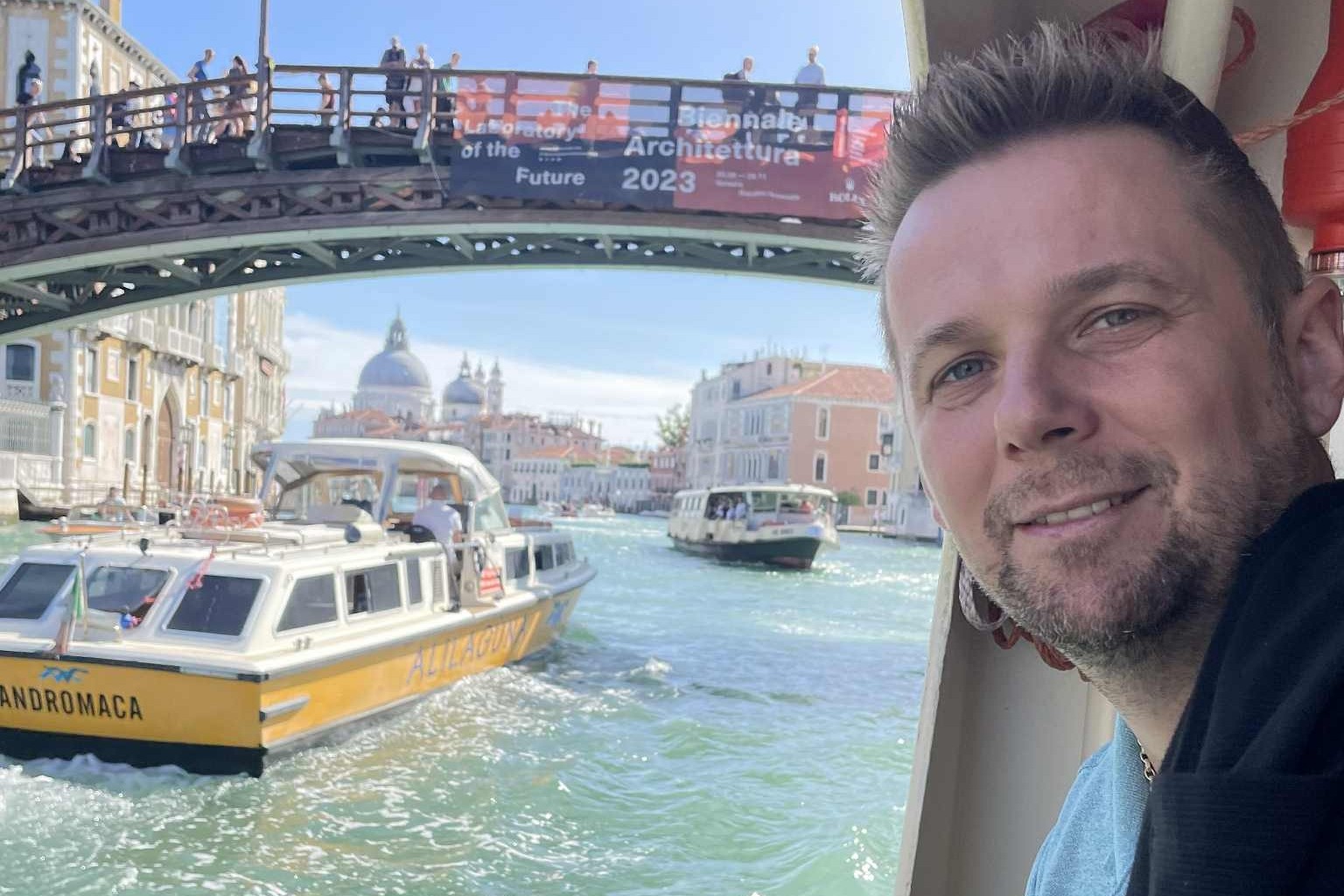
A person can do everything, he just has to want to
In life, it is guided by the fact that a person can do everything he sets his mind to. Only, of course, he has to want to. Twenty years after graduating from the metallurgical technical school, he decided to study while working at FMMR. About 110 promising students gathered in the auditorium. The dean told them right at the beginning that maybe two-thirds would not return after the first semester. And she was right. However, Gabriel Palfi wanted to study. He graduated two years ago.
Photo: František Gregor and Gabriel Pálfi's private archive