

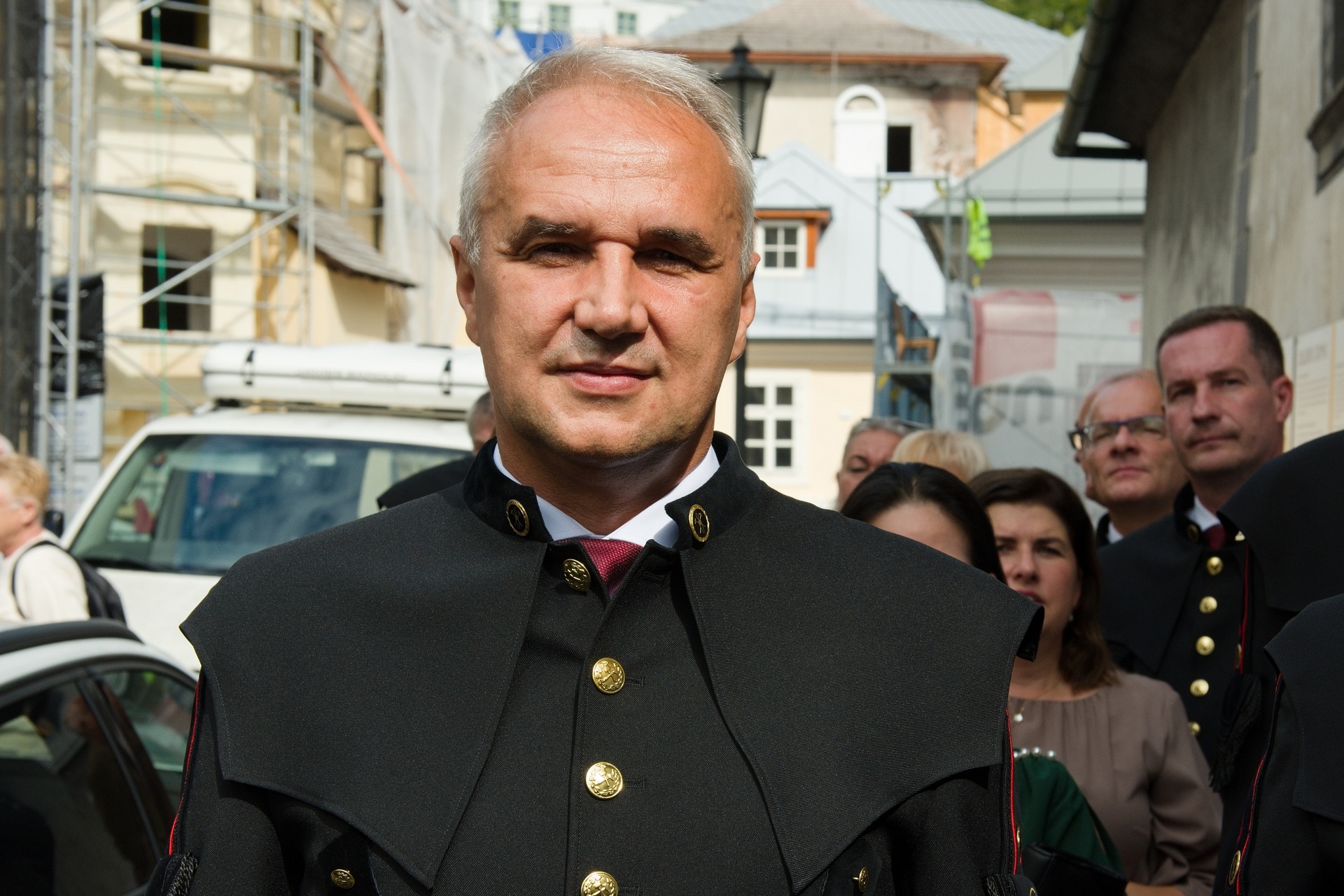
To ensure the operation of such a colossus as our plant is, it is necessary to import more than 8,000,000 tons of strategic raw materials annually. Their procurement, as well as logistics and transport, is provided by the Strategic Raw Materials Purchasing Department. Marek Blaško has been managing this department for more than ten years.
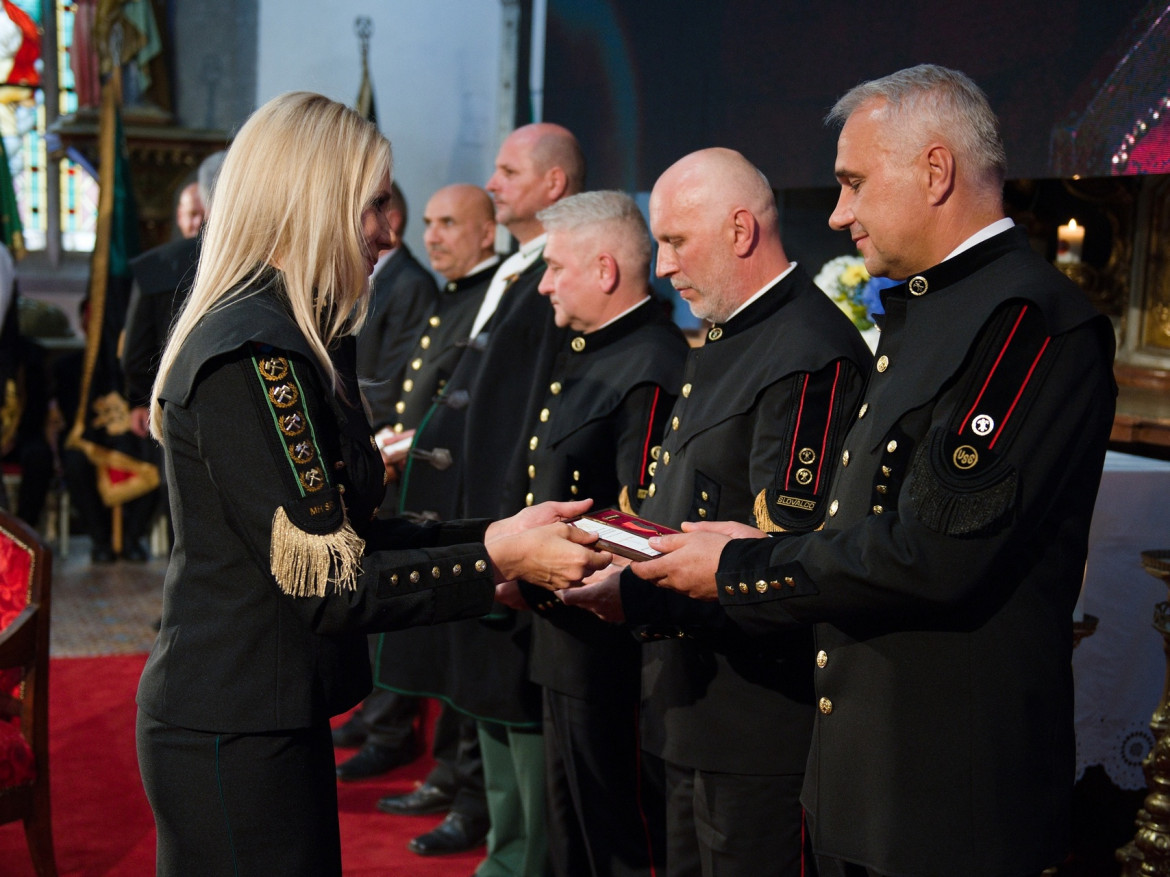
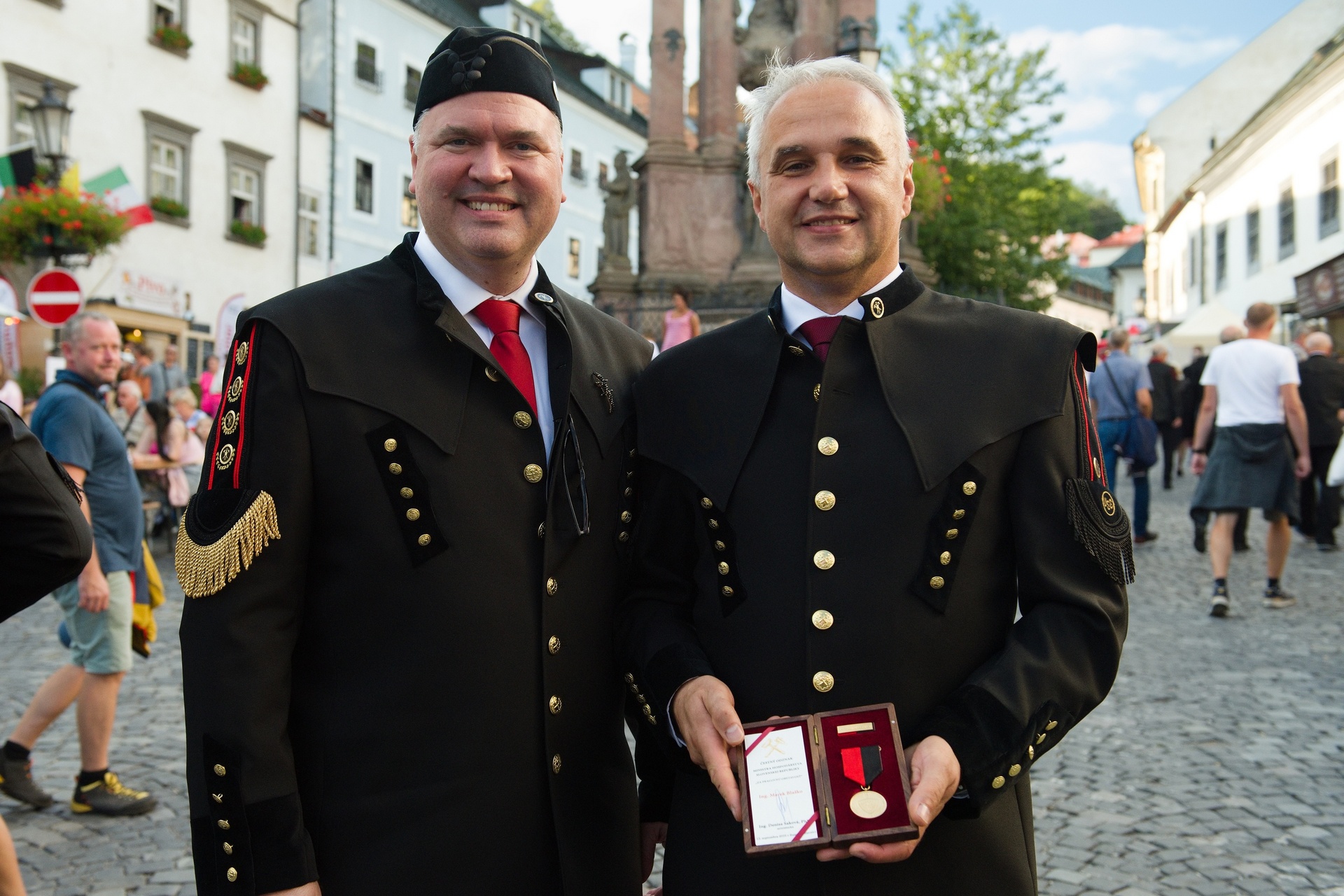
Last week, on Friday, at the ceremony of the Association of Metallurgy, Mining Industry and Geology of the Slovak Republic held in Banská Štiavnica, he was awarded the Dedication to Work Award, which was awarded to him by the Ministry of Economy of the Slovak Republic.
What are the strategic raw materials that you purchase?
It is iron ore, which is also the major material, which we purchase in the volume of approximately 5 million tons per year. For DP Cokery we purchase coal, in the volume of 2 million tons per year. For DP Blast Furnaces we purchase coal and coke, it is approximately 400,000 tons per year, for DP Steel Shop around 400,000 tons of scrap and ferroalloys. We also added the purchase of zinc and tin. Of course, we need to bring everything we buy to the plant, so our department also provides logistics and transportation services.
We had to change our supply structure and logistics. Our plant was built on importing iron ore mainly from the east - from Ukraine and Russia. When the war started, all commodities coming from Russia were under sanctions. We had to replace these supplies from other sources. We started buying a lot of commodities from overseas, we had to adjust the logistics route, make agreements with ports and railways. In Ukraine, mines and factories are still operating, so we can import iron ore from Ukraine, but we mainly take coal from overseas.
Was it very difficult? Find new suppliers, arrange transportation....
We were prepared. Of course, no one expected war to break out, but we had various backup plans in case something happened. This helped us a lot, even though it was difficult, especially at the beginning. Every day there were a lot of phone calls, we were dealing with contracts, deliveries, logistics, but we managed it, mainly thanks to our preparedness.
What factors influence the import of raw materials?
Something is constantly changing. Something happens every day and we need to react immediately. We import all commodities and in such large volumes by rail. The biggest influence is the daily schedule on the railway, what happens there is important. In winter, of course, it is the weather. Our goods can freeze on the road, the tracks can be covered by snow... As for maritime transport, the weather also influences it, and recently our logistics have been mainly influenced by the global geopolitical situation.
Has it ever happened that the ordered raw materials did not arrive? And what happened then?
We have a set stock limit that we are constantly monitoring. Stocks must not be too large or too small. We currently keep the stock limit at 30 - 35 days. It has happened to us in the past that we had stocks for 2 - 3 days, there were times like that. It happened about 10 years ago. At that time, there was a shortage of iron ore pellets for DP Blast Furnaces due to logistical reasons. Stocks were running low. It was very uneasy, but we survived and learned our lesson. This job is very stressful. I have learned to live with it. Every day, whether it is a weekend or a night, we monitor our deliveries. Plus, we must anticipate what can happen and how to prevent possible issues.
How many people do you have in your team and what do you do at work?
There are thirteen of us, plus one student. We have students on year-long internships here. We put a lot of pressure on them to find out what they are capable of. In recent years, we have hired two very talented students. This work cannot be done without good colleagues who I can always rely on. Although working from home is allowed, we are in the office every day. I consider the people I work with, whether they are colleagues or suppliers, to be equal partners. And I have been lucky to have good bosses in my life.
Do you also manage the procurement of strategic supplies in your household?
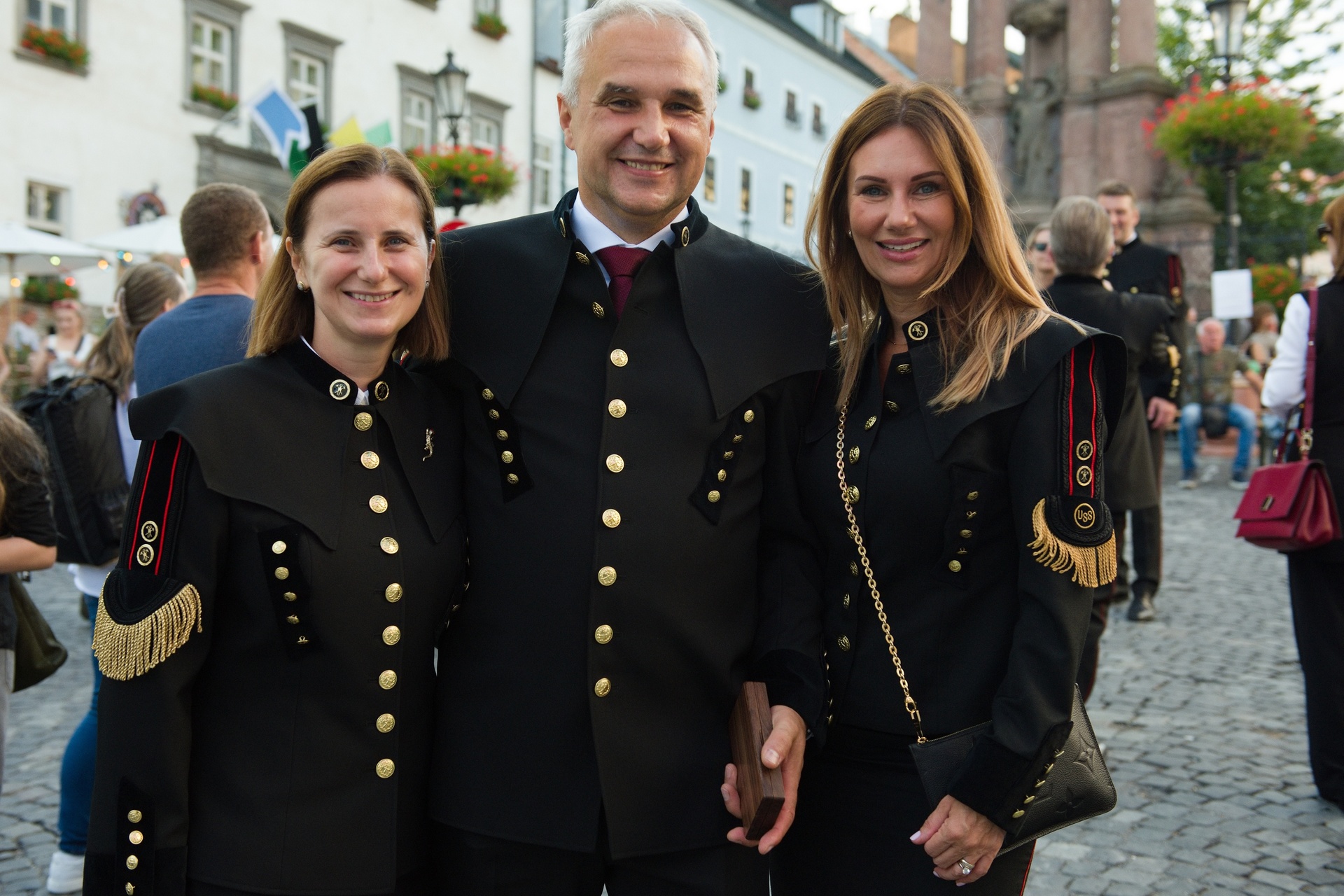
No . My wife is the master of the house.
Don't you give her advice, best practices, charts...
I hardly ever talk about my work at home .
What is the best way to relax for you?
Time spent with my family. I have three children, the oldest son is 17, the younger one is 16 and the youngest daughter is 12. I like sports and it doesn't matter if it's soccer, hockey or volleyball. I probably like hockey the most, I play amateur matches once or twice a week. And I also enjoy gardening.
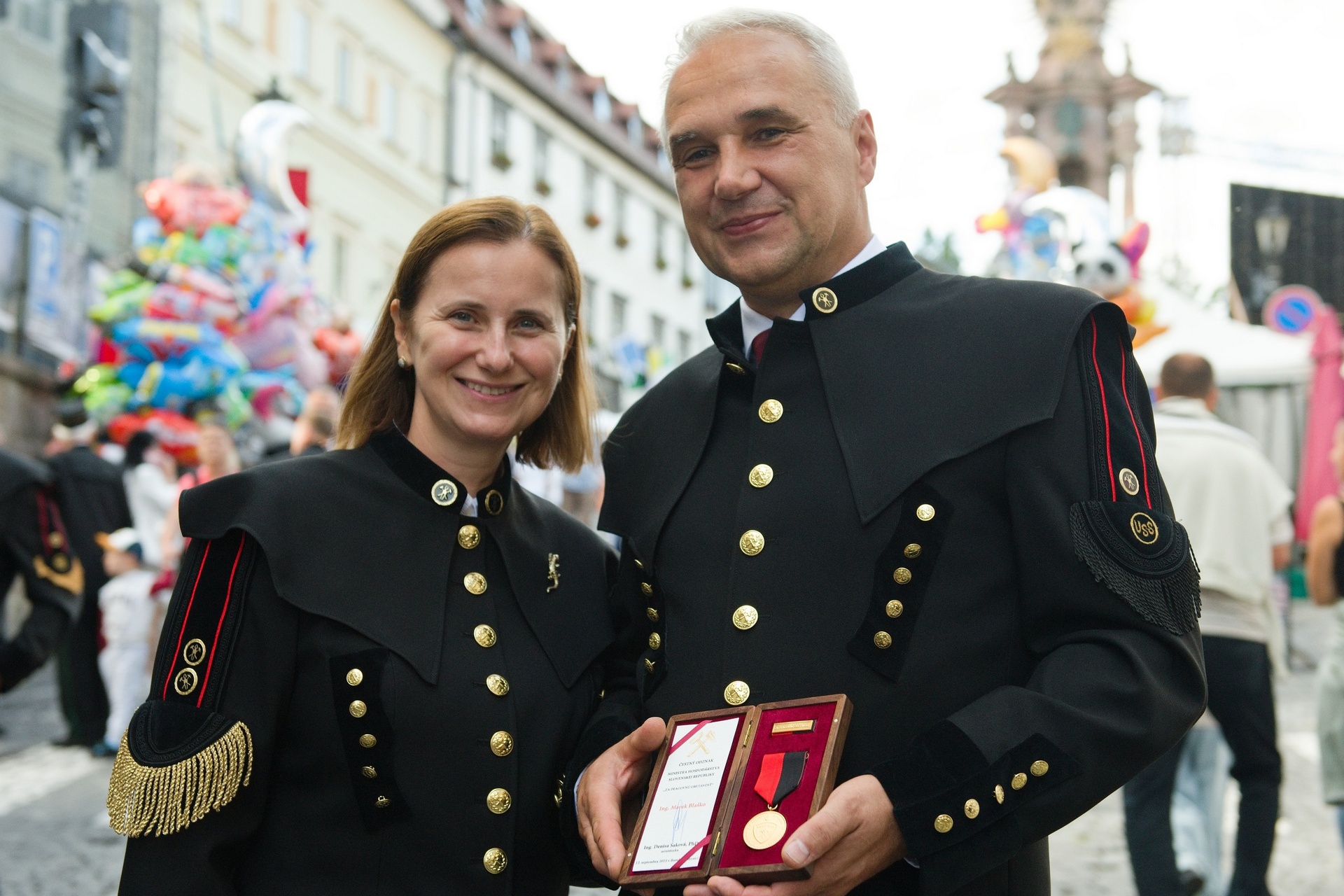
Photo: Ján Kisucký