

The total length of the rails, through which the territory of U. S. Steel Košice is interwoven like a spider's web, is 220 km plus 20 km of wide-gauge rails. For better imagination, this is about the same length you have to travel when you want to drive from Košice to Žilina. 37 locomotives and 465 freight wagons run on these rails.
A very specific operation is the Metallurgical Railway Transport, in which 40 train drivers work. We have already brought you several articles on the X app in which we have introduced colleagues performing unique professions. Our train drivers work in diametrically different conditions than others in Slovakia.
He would not change his job
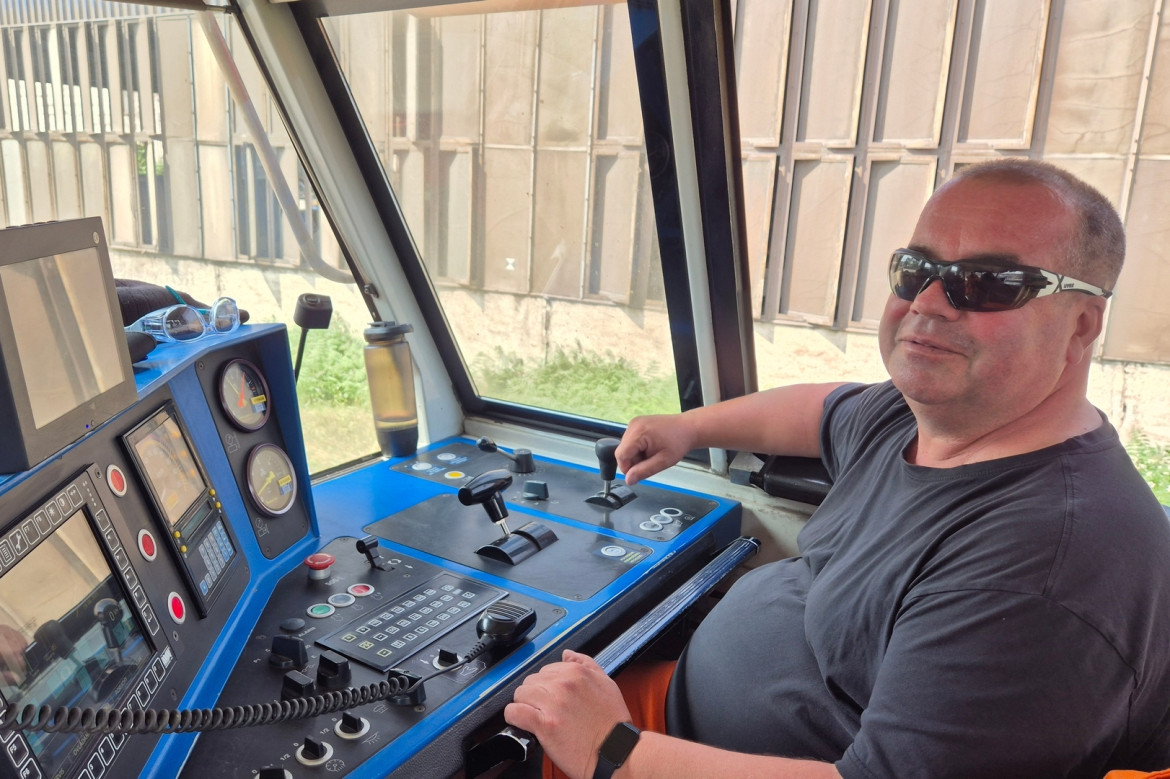
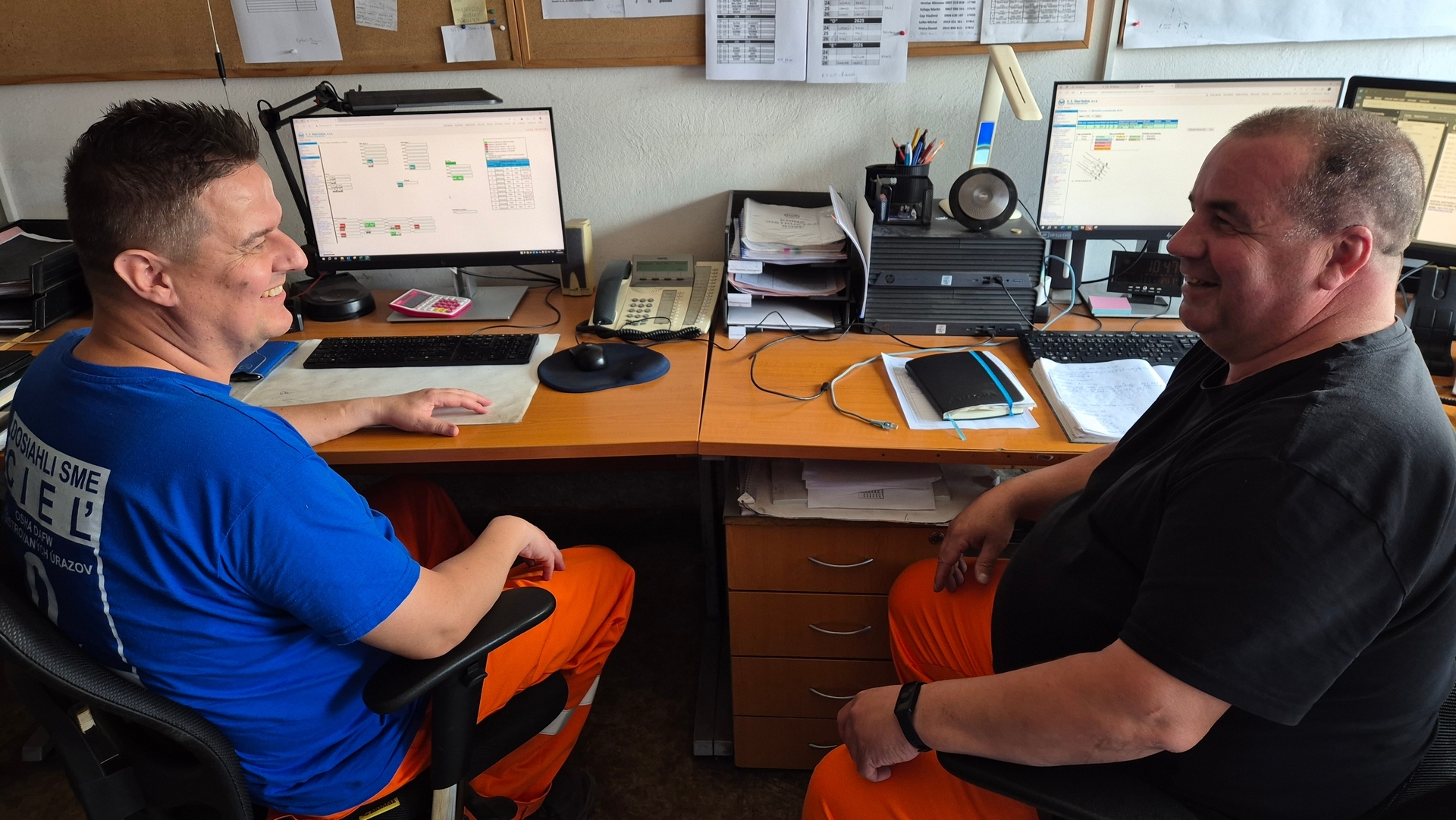
"I never dreamed of becoming a train driver. I joined the ironworks, specifically DZ Doprava, in 2002, before that I worked in other companies. I started as a shunter, then I passed the necessary exams for a shunting supervisor and after two years, in addition to work, I passed the exams for a locomotive. I have been working as a train driver for 15 years," said Ľubomír Hudák, who immediately added that he would certainly not change his job. He could be promoted to the position of a dispatcher, but as he says, why would he do it: "There's always something going on in the locomotive, I'm sitting in the cab, it's not raining on me, I'm moving up and down, transporting various materials... I work in shifts, which suits me very well. And as a dispatcher, I would just sit and make a phone call"
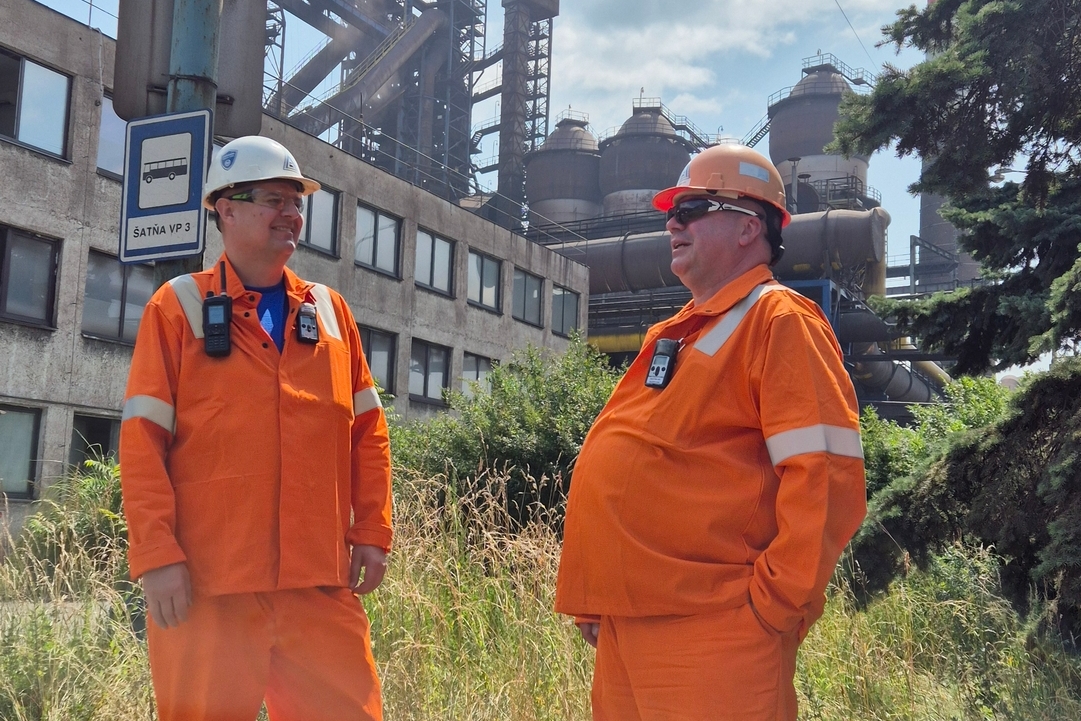
They transport beams, liquid steel, iron from furnaces to the steel mill, scrap... The most dangerous is the transport of liquid steel and the transport of pig iron, which is transported in mobile mixers. There is a risk of iron splashing, which could endanger the shunters. To prevent the mixer from derailing, the tracks and switches must be maintained and in perfect condition.
There are still ignorant people who will not stop at a stop sign
When fully loaded, the mobile mixer can weigh up to 700 tonnes. A loaded beam set can go on the rails at a speed of 10 km per hour and an empty one at 16 km per hour. The full set has a braking distance of 60-70 meters.
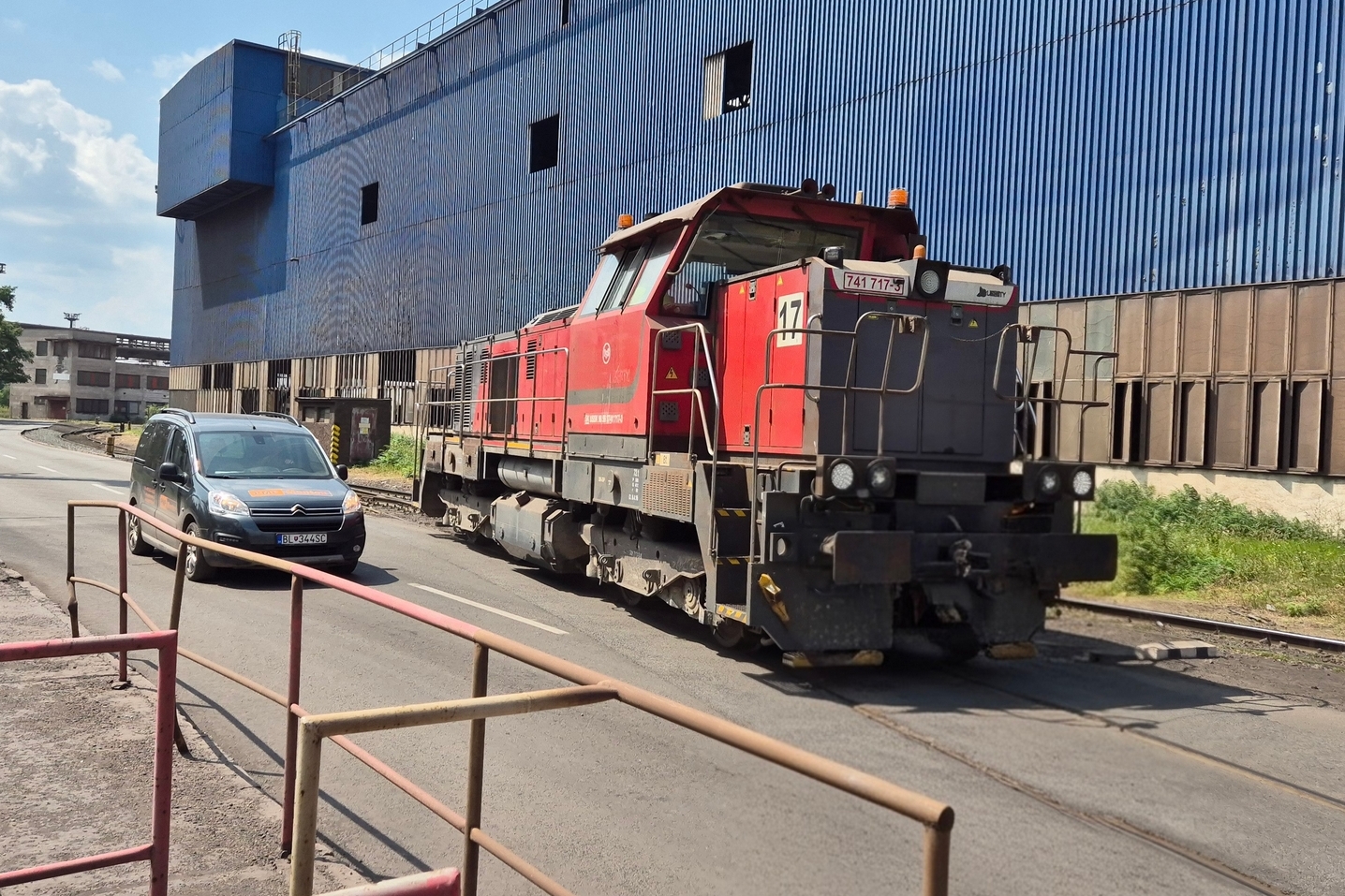
When production is at full capacity, it drives up to 60 km in one work shift, which is already on the edge.
Blood donor with a gold plaque
A difficult change requires proper relaxation. How and where does Ľubomír rest? "A few years ago, we moved to a family house in Čane. And there is still a lot of work to be done around the house. Sometimes I make floors, other times I repair the roof, build a gazebo... I have a credo: Never give up! When I do anything, even if it gets on my nerves, until I finish it, I don't give up. In addition, I like to go for walks with my dog and my passion is also motorcycling. My friends and I travel mainly around Slovakia."
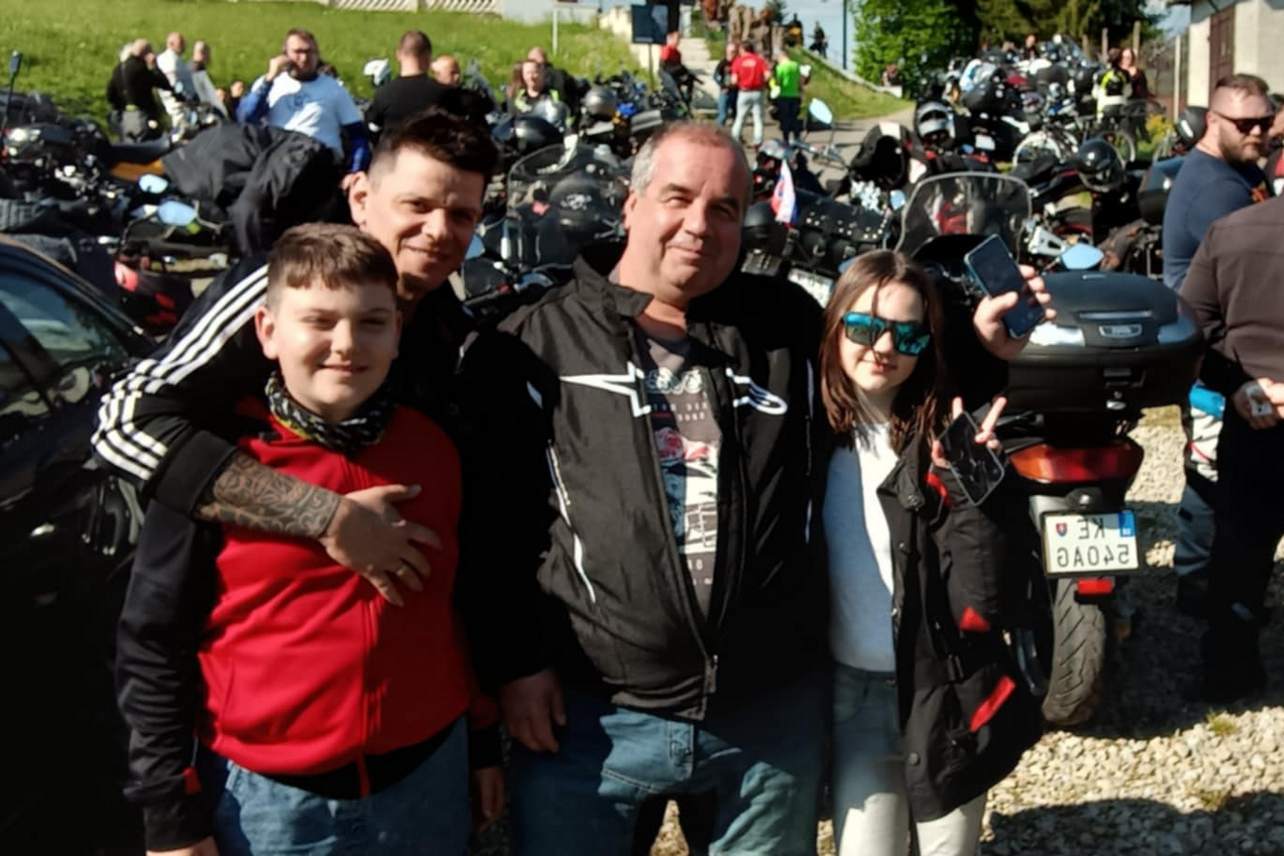
The photo shows Ľubomír Hudák with his colleagues and their children.
Vladimír Dreisig added that Ľubomír follows the same credo at work. He never gives up. He is accommodating, proactive, comes up with ideas and helps teach new colleagues. Especially those who want to advance from the position of train conductors to the positions of train drivers.
In the end, we managed to "pull" out of the very modest Ľubomír that he is also a blood donor. He has donated the most precious liquid 55 times and already has a gold Janský plaque: "I donated blood for the first time because of an illness that affected our family. And I stayed with it."
When we continued the conversation on the topic of family, we learned that his brother also worked in the ironworks and his nephew still works on the Veľká Ida – CPR transport section. His children have other ambitions, his daughter is studying economics and his son is going to study at TUKE.
Just to make the company work, everything else can be solved
He also gets along very well with his colleagues. They meet regularly every year at Christmas markets, they have not interrupted this tradition even despite covid, and in the summer they go for good grilled meat, somewhere in the garden or the terrace of their favorite restaurant. "It is also important for strengthening interpersonal relationships. A train driver does not work with the same people all the time. Therefore, it does not matter how we all get along. It has an impact on performance and well-being at work."
We were also interested in whether a passenger train locomotive could also "drive": "Definitely yes, it is a similar system. The difference is that there are people in the carriages behind you. Of course, I would have to go for training on a specific track. There are slightly different rules on the railway, so it would be necessary to do other tests. But I don't think about it. I am satisfied with my work. I want the company to function, everything else can be solved."
Cooperation and photo: František Gregor and archive of Ľubomír Hudák